


Your first kart can feel like an unruly beast, but understanding basic setup transforms it into a precision tool. While money always helps, karting success in the UK often depends less on expensive kit and more on getting the fundamentals right - from trackside tyre pressures to workshop geometry changes. Whether you're racing Cadets at Buckmore or Seniors at PFI, these core principles apply across all categories and will have you closing the gap to faster drivers within weeks.
The beauty of karting setup is its accessibility. Unlike car racing where suspension adjustments require specialist tools and expertise, most kart changes need only basic spanners and a methodical approach. But that simplicity is deceptive - small adjustments create dramatic handling shifts, and understanding why changes work matters as much as making them.
Understanding your circuit: The foundation of smart setup
Before touching a single adjustment bolt, study your track. UK circuits broadly divide into two categories: tight, technical layouts like Rowrah or Whilton Mill, and fast, flowing tracks like PFI or Shenington. This distinction dictates your entire setup philosophy.
Tight circuits demand responsive turn-in and strong rotation through slow-speed corners. You'll sacrifice some straight-line stability for agility, accepting a twitchy kart that rewards precise inputs. Fast tracks need the opposite - stability at speed, predictable handling, and maximum velocity down long straights. Your kart should feel planted and confidence-inspiring, even if corner entry feels slightly dull.
Weather and track evolution matter equally. A green track on cold morning practice offers less grip than a rubbered-up surface in afternoon finals. Setup choices that work in qualifying might need reversing for the final.
Workshop setup: Geometry fundamentals
Caster and toe angles
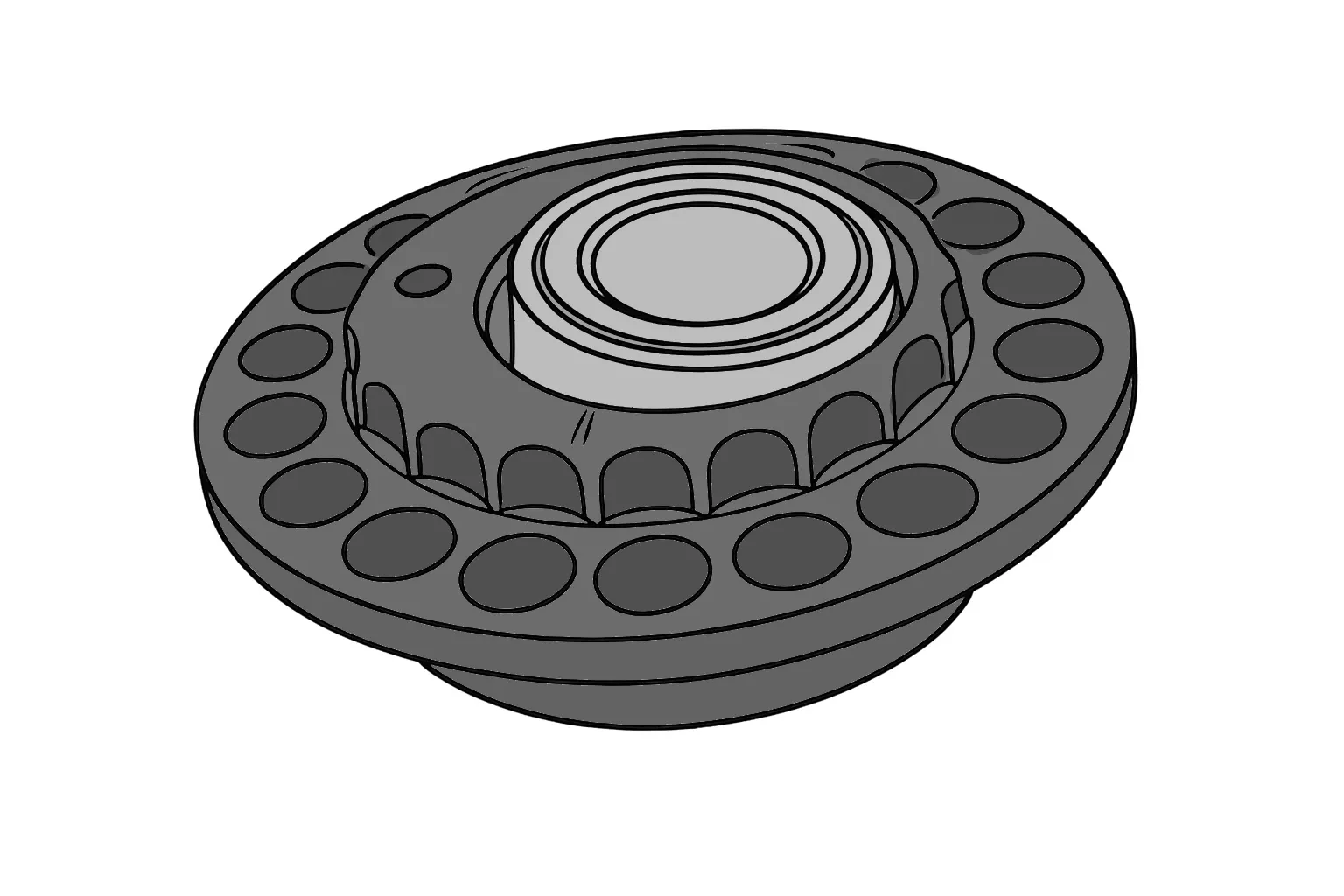
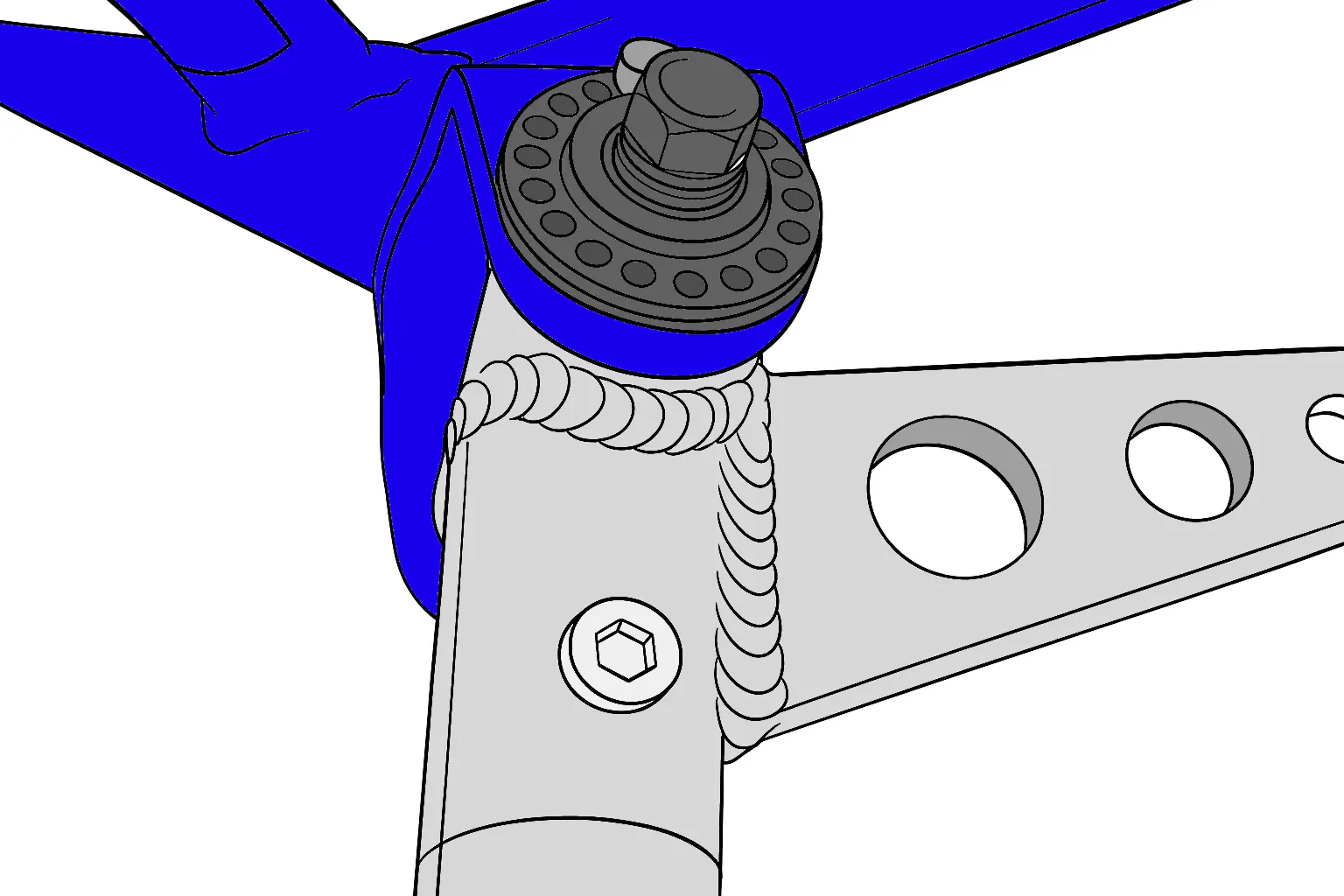
Caster is the backward tilt of your steering axis, typically running 8-12 degrees. More caster gives heavier steering but crucially lifts the inside rear wheel through corners - essential for a kart without a differential to rotate properly. On tight, twisty circuits like Rowrah, increase caster for sharper turn-in. On fast, flowing tracks like Clay Pigeon, reduce it for stability and lighter steering.
Many beginners run equal caster both sides, but asymmetric settings often work better. British circuits typically run clockwise, so increasing left-side caster by 1-2 degrees helps with the predominant right-hand corners. Adjust caster via pill washers or eccentric bushes on your stub axle/kingpin mounting - your chassis manual will show exact procedures.
Toe angle describes whether your front wheels point inward or outward when viewed from above. Most karters run 1-2mm toe-out per side in the dry, meaning wheel fronts angle slightly apart. This sharpens corner entry and improves initial turn-in, though it costs straight-line speed. In wet conditions, increase to 3-4mm per side for better response.
Set toe properly by measuring the distance between wheel rims at front and rear hub height with the steering centred. The front measurement should be narrower by your desired toe-out amount. Never eyeball it - precision matters. Adjust in 1mm increments via tie rod length.
Ride height adjustments
Ride height alters your kart's centre of gravity and how aggressively weight transfers during cornering, braking, and acceleration.
Front ride height is adjusted by moving spacers above or below your stub axles in the C-joint mounting points. Raising the front (fewer spacers below, more above) elevates the centre of gravity and increases weight transfer, adding front grip and helping cure understeer. Lowering the front reduces weight transfer, works the front tyres less, and creates a more stable but potentially understeery platform. Start with a middle setting and adjust based on track conditions. In wet weather, raise the front to maximise weight transfer and generate grip on slippery surfaces.
Rear ride height dramatically affects rear-end behaviour. Raising the rear (lowering the axle in its bearing cassettes) increases the centre of gravity and promotes more aggressive inside rear wheel lift during cornering. This adds rear grip and traction, particularly valuable on green or slippery tracks. Lowering the rear (raising the axle) reduces grip, making the chassis freer through corners - ideal for high-grip, rubbered-up tracks where excessive rear grip causes the kart to bind or hop mid-corner.
As a general rule, start with the front relatively low and the rear high, then adjust based on how the kart responds.
Torsion bars
Torsion bars connect left and right sides of your chassis, adding stiffness to resist flex. They're available for both front and rear installation, though front bars see more common use in British club racing.
Front torsion bars come in various configurations. The most common is a flat blade bar that can be positioned horizontally (softer), at 45 degrees (medium), or vertically (stiffest). Some chassis use round bars of varying diameters, with thicker bars providing more stiffness. Installing a front torsion bar stiffens the front end, resisting roll and making the chassis more responsive to steering inputs. This doesn't directly add front grip - instead, it controls how weight transfers across the front axle.
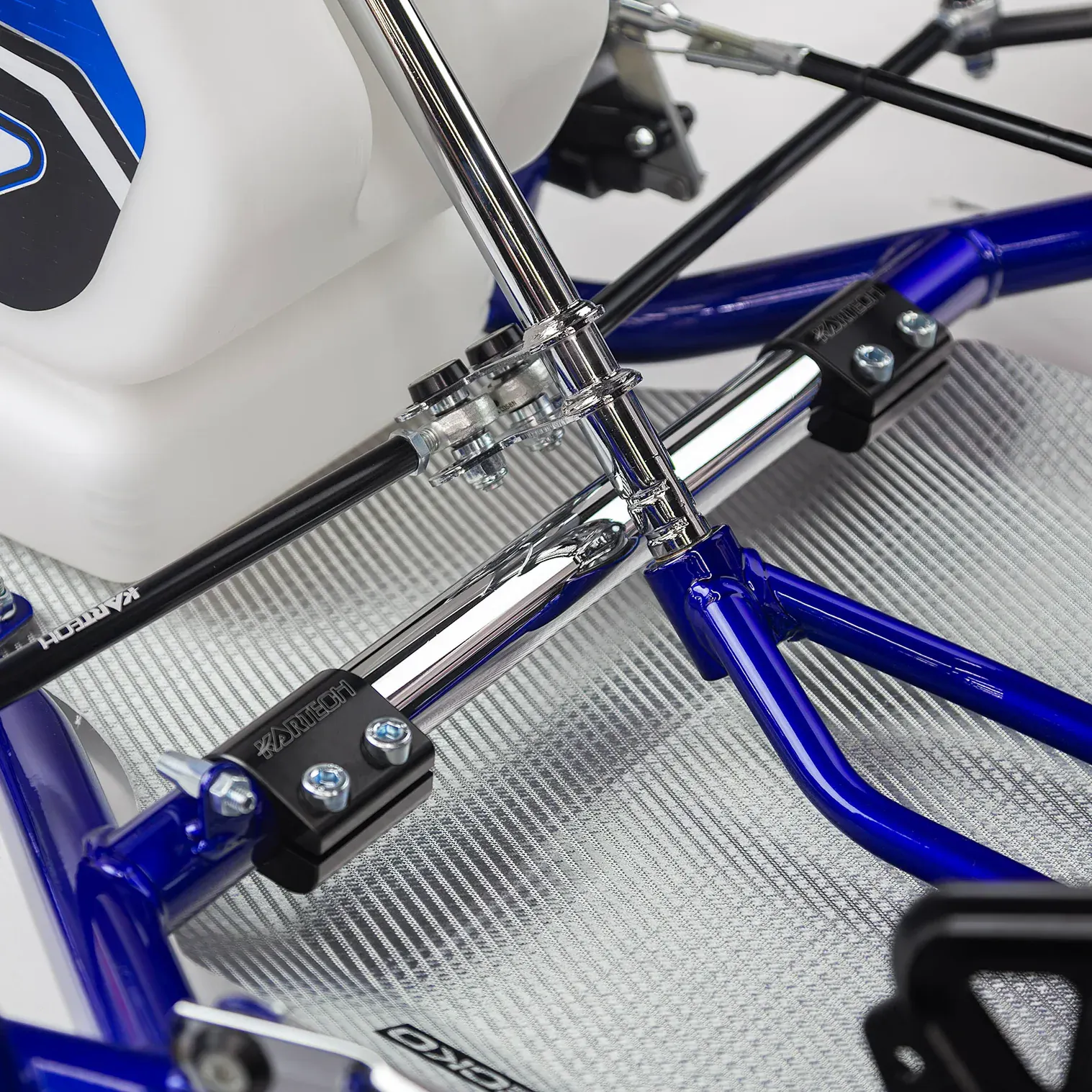
Use front torsion bars on green or low-grip tracks where you need the chassis to be more aggressive in transferring weight. Remove them or switch to softer settings when the track rubbers up and offers high grip - excessive front stiffness on grippy surfaces creates imbalance, potentially causing oversteer. In wet conditions, install the stiffest front bar available to maximise weight transfer and help generate tyre temperature.
Rear torsion bars are less commonly adjusted but follow similar principles. Adding a rear bar stiffens the entire chassis, increasing grip on low-grip surfaces but potentially causing binding on tracks with abundant traction. Most beginners should focus on front bar adjustments and axle stiffness changes before experimenting with rear bars.
The golden rule with torsion bars: stiffer settings suit slippery conditions where you need to force energy into tyres; softer settings or bar removal suits high-grip conditions where excessive stiffness creates handling problems.
Trackside adjustments: Session-to-session tuning
These changes can be made quickly between sessions to adapt to evolving track conditions.
Tyre pressures
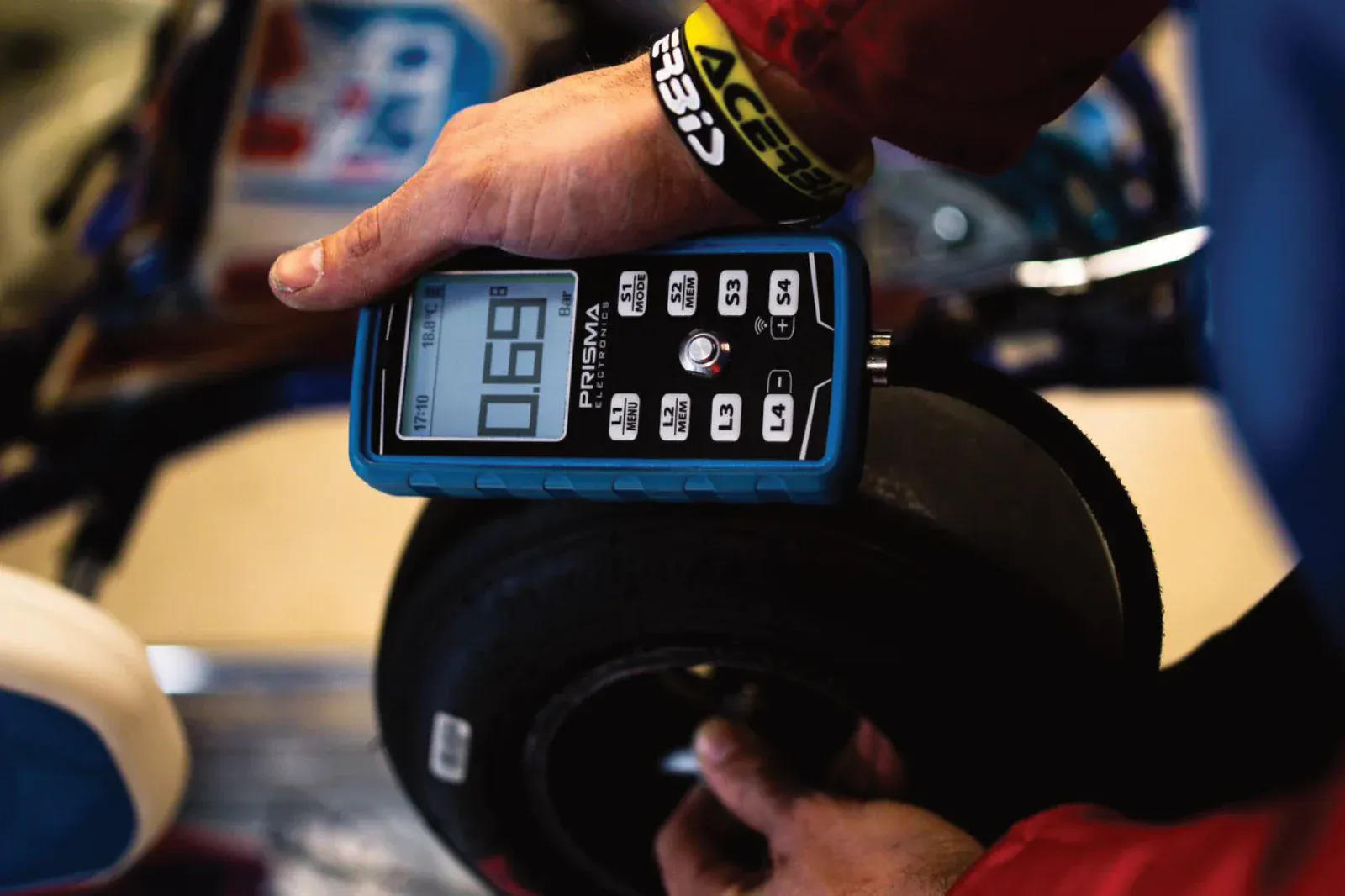
Tyre pressures are your primary tuning tool. Start with 10 PSI cold for medium compound slicks, aiming for a 2-3 PSI rise when hot. Cold mornings or green tracks need higher pressures (12-13 PSI) to generate heat; hot, rubbered surfaces need lower pressures (8-9 PSI) to prevent overheating. In the wet, jump to 20-25 PSI to reduce aquaplaning. Check pressures immediately after every session - this single habit separates quick drivers from also-rans.
Understanding hot versus cold pressure is crucial. If your fronts are reading 12 PSI hot after starting at 10 PSI cold, you're in the sweet spot. If they're jumping to 14 PSI, you've started too high and the tyres are overheating, losing grip. If they're only reaching 11 PSI, increase cold pressure to generate more heat and find grip.
Different compounds need different approaches. Softer rubber generates heat more easily, needing lower starting pressures around 8-9 PSI. Harder compounds might start at 11-12 PSI to reach optimal temperature. Always check your tyre manufacturer's recommendations as a baseline.
Track width adjustments
Track width fundamentally alters weight transfer characteristics and grip levels at each end of your kart. These changes are relatively simple to make trackside but have profound effects on handling balance.
Front track width typically ranges from 115-117cm. Widening the front creates more jacking effect - the kart lifts the inside rear wheel more aggressively during cornering. This improves turn-in response and suits tight, technical circuits where you need sharp direction changes. However, excessive front width can make the kart twitchy and unstable, particularly on fast, flowing layouts. Narrowing the front reduces jacking, creating smoother, more progressive handling ideal for high-speed circuits. It also adds front grip by increasing weight transfer to the outside front tyre during cornering.
Rear track width works somewhat oppositely. A wider rear track (139-140cm) reduces rear grip by limiting weight transfer to the outside rear tyre. This proves useful when the kart feels bound up or hops mid-corner - signs of excessive rear grip. Narrower rear settings increase rear grip and traction on corner exit but can cause understeer if taken too far. Most karters find success running the rear as wide as regulations permit, adjusting in 5mm increments only when specific handling problems emerge.
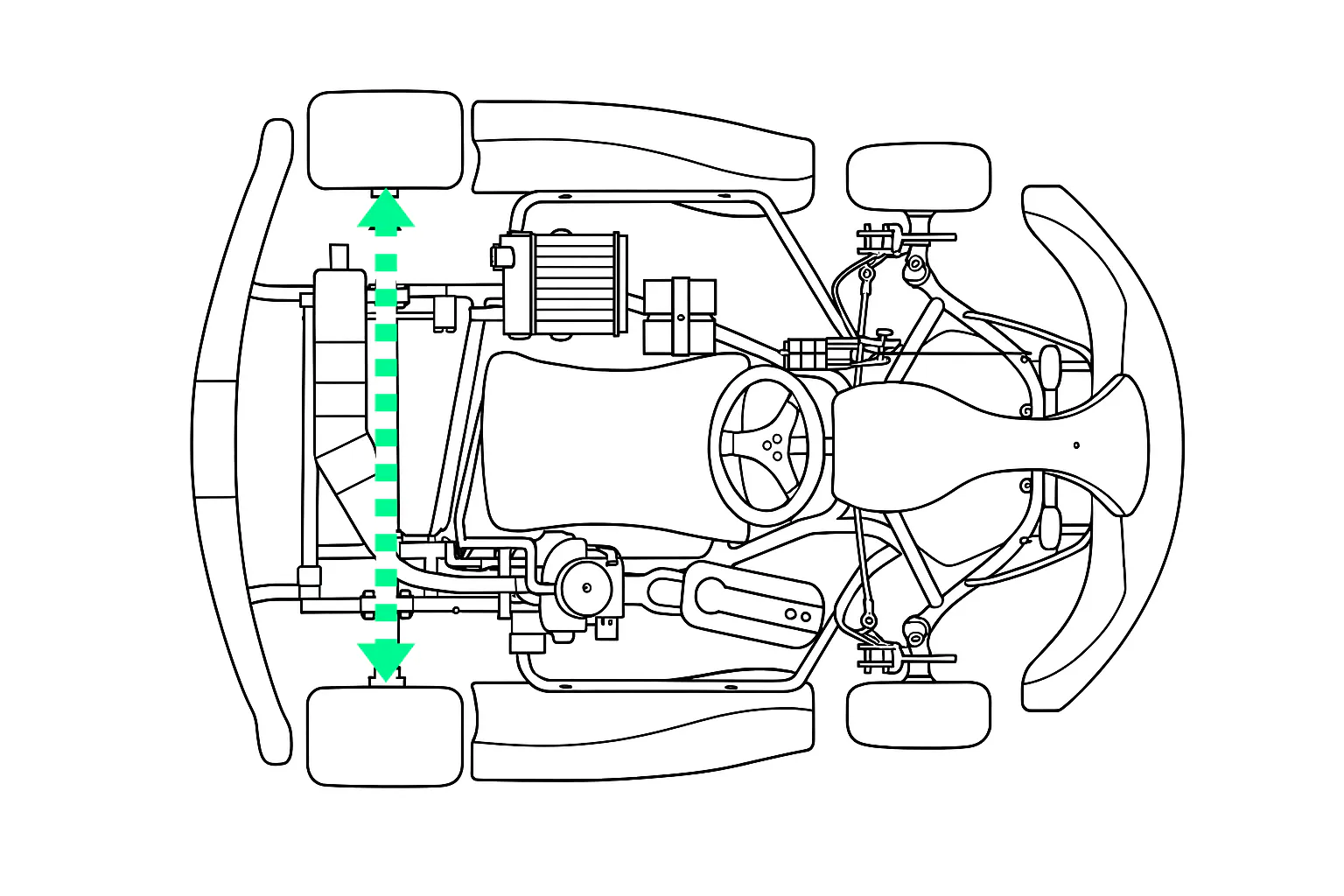
Think of track width as controlling how aggressively your kart transfers weight. Wider settings slow weight transfer, creating smoother, more progressive handling. Narrower settings snap weight across quickly, giving sharper responses but potentially unsettling the chassis.
Pre-event planning: Major component changes
These adjustments are typically made before race day rather than between sessions.
Gear ratios
Gear ratios balance acceleration against top speed. On tight tracks, use larger rear sprockets (perhaps 87 teeth versus 81) for better drive out of hairpins. Fast circuits need smaller sprockets for higher terminal velocity. Add 3+ teeth in wet conditions as engines rev lower. Use a stopwatch, not guesswork - if you're gaining everywhere but losing on straights, you're overgeared.
Calculate your optimal ratio by checking engine RPM at the end of your longest straight. You want to reach peak power RPM (typically 13,500-14,000 for X30, check your engine specs) just before braking. Under-revving wastes power; over-revving pushes beyond the powerband and actually loses speed.
Axle stiffness
Axle stiffness adapts to conditions. Start with medium-grade axles for 75% of situations. Switch to hard axles in cold weather or on slippery tracks when you need to force energy into tyres. Soft axles suit hot, grippy days when you need to free up an overly aggressive chassis.
As a rule, harder axles suit lower-grip conditions by helping the kart dig into the surface. Softer axles work when grip is abundant, allowing the chassis to flex and preventing it from binding up. Most beginners should stick with medium stiffness until they've mastered other adjustments.
Weight distribution
Weight distribution starts at 43% front, 57% rear. Mount ballast low and central on your seat, moving it forward to cure understeer or rearward for more traction on corner exit. Use proper ballast mounting - loose weights become dangerous projectiles in accidents. Position changes of just 50mm make noticeable differences, so move incrementally and record positions.
Optimal weight distribution depends on driver weight, chassis design, and circuit characteristics. Lighter drivers often need more rearward bias to generate rear grip, while heavier drivers might shift weight forward to aid turn-in. Scale your kart properly on corner weight scales if possible - this reveals left-right imbalances that hand-placed ballast can correct.
Reading your kart: Learning what it's telling you
Setup success depends on interpreting feedback. If your kart understeers (pushes wide at corner entry), you need more front grip or less rear grip. Try narrowing front track width, increasing caster, adding toe-out, or widening rear track. If it oversteers (rear slides out), reverse these changes.
Mid-corner handling problems - hopping, binding, or inconsistent grip - usually indicate chassis stiffness issues. This might mean axle stiffness needs changing, or you've created too much jacking effect through excessive caster.
The golden rule
Change one element at a time and document everything in a setup journal. Karts are sensitive - seemingly tiny adjustments create noticeable handling changes. Record track conditions, temperatures, tyre pressures, and every setup parameter. After six months, you'll have invaluable data showing what works at each circuit.
Master these fundamentals before chasing exotic solutions, and you'll consistently extract more speed from the same equipment. Championship-winning drivers often run simpler setups than midfield racers - they've just perfected the basics.